
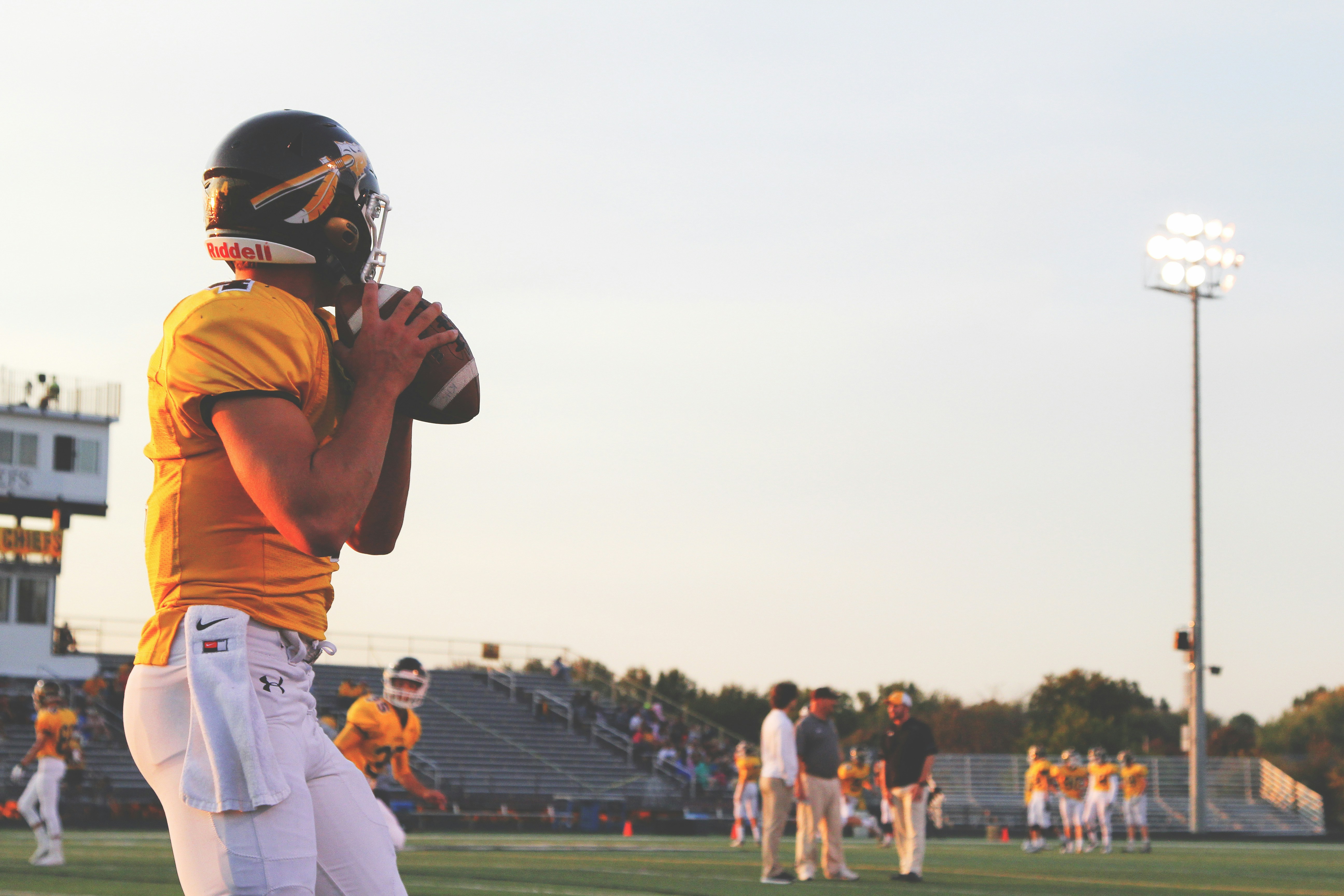
At midnight on July 1, 2021, college sports in the United States changed forever. Previously, student-athletes were forbidden from earning money based on their Name, Image, and Likeness (NIL) despite generating enormous value for their universities. Within hours of the NCAA lifting NIL restrictions, student-athletes began signing personal NIL deals, creating a multibillion-dollar marketplace overnight. Today, more than 500,000 student-athletes can earn income through sponsorships, social media, crowdfunding, and venture creation.

Five forces shaping the NIL marketplace
(1) Resource acquisition: Chasing opportunities across multiple income streams
Student-athletes combine sponsorships, social media, and fan-driven crowdfunding via platforms like Opendorse to monetize their NIL. Some even use their time in college sports as a launching point for their own businesses. For example, University of Mississippi track athlete Cole Piotrowski won the SEC’s 2025 startup competition, using the prize money to launch an athlete gear deodorizing spray company. Student-athletes can build more sustainable careers by leveraging multiple income streams, instead of relying solely on traditional endorsement deals.
(2) Institutional environment: How NIL is rewriting the rulebook
A combination of NCAA guidelines, state laws, and school policies shape what NIL activities are allowed. Some fundamental questions such as whether student-athletes should be classified as employees remain unsettled. For international student-athletes, this fluid institutional environment can create barriers. Visa restrictions force some international student-athletes to pursue opportunities outside the United States, while preventing others from earning NIL revenue entirely. Those who are able to adapt quickly to this shifting environment appear to be rewarded, while those incapable of pivoting risk missing out on lucrative opportunities.
(3) Identity: Balancing multiple roles
Student-athletes engage in a delicate balancing act: they are simultaneously students, athletes, teammates, and entrepreneurs. Our review highlights that athletes need to carefully calibrate their public image to maximize appeal. Navigating these numerous identities can also create tension within teams. The self-enterprising nature of NIL means individuals compete against each other for NIL opportunities, which can create conflict since college athletes are generally expected to prioritize team outcomes over individual success.
(4) Gender: Uneven opportunities and outcomes
Research highlights key gender imbalances in NIL. Female student-athletes face added pressure to market their personality and appearance alongside their performance. However, these aesthetic appeals create a dilemma since they can undermine their image as high-performing athletes. While student-athletes have found success across gender lines, research suggests gendered differences in how student-athletes are perceived can translate into performance (dis)advantages.
(5) Venture legitimacy: Building authenticity in a crowded marketplace
In NIL, legitimacy is essential. However, student-athletes have only a few years to capitalize on competitive NIL opportunities. Players are therefore incentivized to seek out NIL deals that maximize their earnings during their college years. This pressure to act opportunistically can be at odds with the need to maintain legitimacy. Research shows that student-athletes who switch schools during their college careers are seen as financially-motivated and less authentic. Since perceptions of student-athletes’ authenticity shape their overall NIL value, balancing short-term money-making opportunities with long-term reputation building is crucial.
The future of NIL: Key takeaways for practitioners
Student-athletes: Think like entrepreneurs
The most successful student-athletes are building sophisticated portfolios of income streams. This includes combining brand partnerships, social media monetization, crowdfunding, and venture creation. Importantly, NIL should be viewed as more than a short-term earning opportunity. While collegiate athletic eligibility lasts only a few years, NIL offers an opportunity to develop skills that can support long-term entrepreneurial careers.
Universities and athletic departments: Build entrepreneurial infrastructure
Universities host one of the fasting-growing entrepreneurial ecosystems in the country. Schools should invest in athlete-focused support systems that provide mentorship, funding opportunities, and access to digital branding tools. Student-athlete venture studios, such as Arizona State University’s SPORTx and Texas Christian University’s Legacy Frogs, provide a blueprint for how universities can actively facilitate entrepreneurial opportunities for their athletes.
Brands and platforms: Treat athletes as strategic collaborators
Student-athletes are quickly building influence with sizable audiences of their own. Accordingly, brands should treat student-athletes as long-term partners, rather than only using them for one-off endorsements. Student-athletes often have a uniquely intimate understanding of their fanbase. If brands want to benefit from the trust that student-athletes have with their fans, they should work to build authentic connections with those athletes.
Policymakers: Reduce barriers and clarify the rules of the game
NIL policymakers (NCAA leadership, state legislators, and university administrations) should champion policies that prioritize clarity and accessibility. A more accessible NIL system is also a more productive one. When barriers are reduced – including for disadvantaged groups like international student-athletes – the result is a stronger and more expansive NIL ecosystem that benefit athletes, schools, brands, and platforms alike.
For more insights from the emerging realm of NIL research, you can access our article published in the Journal of Business Venturing Insights here.
Author bios
Jeremiah T. McGhee is a doctoral student at the University of North Texas. His research centers around how entrepreneurs’ identities and communication strategies shape venture performance outcomes across settings including craft entrepreneurship, crowdfunding, and college sports.
Marisa C. Gonzales is a sociologist, educator, and independent scholar whose research explores female student-athletes’ experiences with Name, Image, and Likeness (NIL), focusing on gender, race, and inequality in sport.
Jeremy C. Short is the G. Brint Ryan Chair in Entrepreneurship at the University of North Texas and Professor of Strategic Management and Entrepreneurship at the University of Waikato. His current research focuses primarily on crowdfunding, social entrepreneurship, and entrepreneurial communities.


Leave a Reply